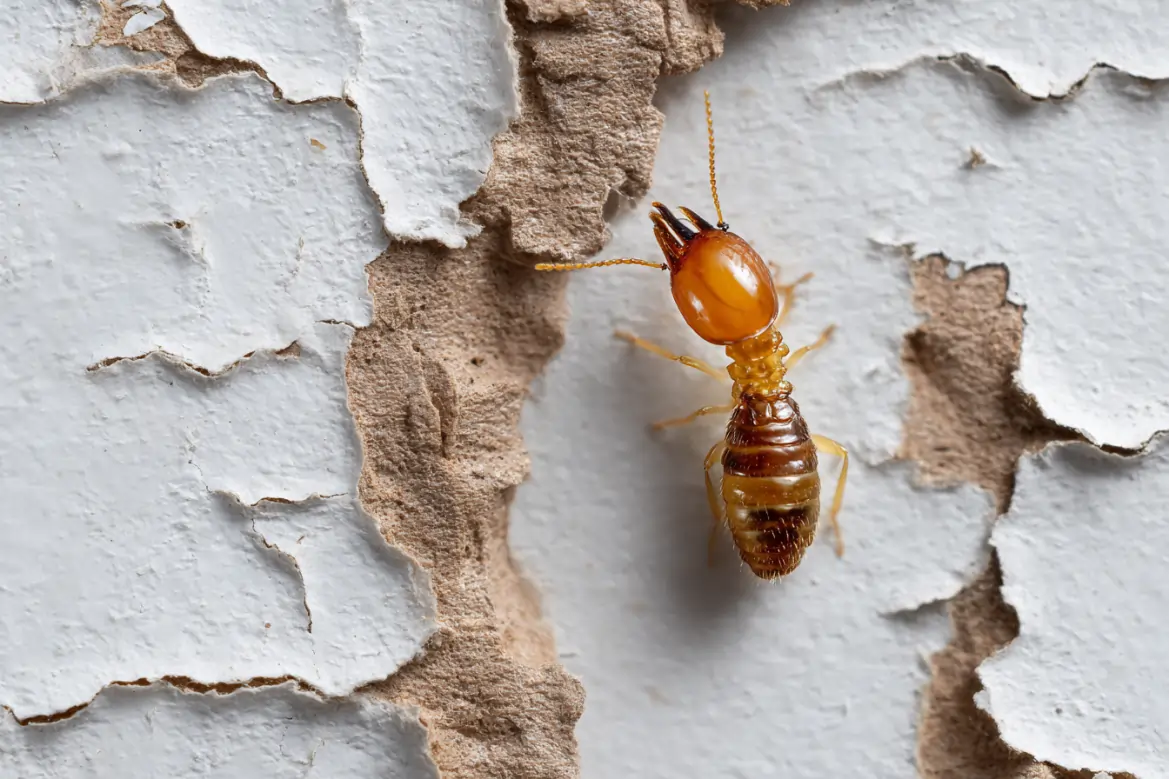
Termites can cause significant damage to your property if left unchecked. Conducting regular termite inspections is a proactive way to protect your home from these destructive pests. By following a structured procedure, you can identify termite activity early and take steps to eliminate infestations before they escalate. Below, you’ll find a step-by-step guide on termite inspections and the ways they safeguard your property.
Proper preparation ensures a thorough inspection process.
– Clear clutter: Remove any items that obstruct access to walls, crawl spaces, or attic areas where termites might be hiding.
– Check outside: Trim bushes, trees, and plants near your house’s foundation as they may serve as bridges for termites.
– Identify problem areas: Note spots with excessive moisture or wood-to-soil contact around your home since these environments attract termites.
The exterior of your home is the first line of defense against termites.
– Foundation and walls: Look for mud tubes, which are pencil-thick tunnels built by subterranean termites for protection as they move between their nest and food sources.
– Wood damage: Inspect exposed wood surfaces for signs of hollowing or blistering under paint or wallpaper.Soil conditions: Excessive moisture around the foundation may create ideal conditions for termite colonies.
Use tools such as flashlights or probing devices like screwdrivers to check wooden structures more closely without causing extensive damage.
Inside your home, termites often hide in areas that are harder to access or see clearly without proper inspection techniques.Baseboards and flooring: Check for sagging floors, loose floorboards, or tiny holes in the wood.Walls and ceilings: Spot small cracks or paint bubbles caused by underlying infestations.Attic beams: Inspect roof timbers and support beams carefully since drywood termites often target these areas.
A thermal imaging device can also help pinpoint heat anomalies caused by active termite colonies behind walls.
During inspections, recognizing telltale signs of infestation is critical: | Observation | Likely Cause | |——————————|————————————-| | Mud tubes | Subterranean termites using soil | | Discarded wings | Swarmers emerging indoors | | Hollow-sounding wood | Structural damage below surface | | Fecal pellets | Drywood termite activity |
Document all findings thoroughly so that corrective action can begin promptly.
Inspections should go hand-in-hand with preventive measures tailored to reduce future risks: – Install physical barriers like stainless-steel mesh in foundations during construction. – Treat wooden structures with termiticides if vulnerabilities exist. – Address water leaks immediately because dampness facilitates nesting environments.
Professional pest control services often implement advanced bait systems that disrupt colony growth while monitoring activity over time.
Regularly scheduled inspections (every six months to one year) further ensure any new issues are detected promptly—protecting both structural integrity and peace of mind over time.
Effective Davie FL Pest Control: Understanding the Initial Inspection Process for Termite Activity
Detecting termite activity early is crucial to preventing significant damage to your property. Termites are silent destroyers, and their presence often goes unnoticed until substantial structural issues arise. A professional inspection is the first step in identifying the extent of the issue and implementing corrective measures.
Jose’s Bug A Bug Pest, Termites
6115 Stirling Rd STE 207, Davie, FL 33314
+19544368526
https://bugabugpest.com
Essential Steps for Pest Removal Davie FL During the Initial Inspection Process
- Exterior Examination
Inspecting the exterior of your home is vital as termites often gain entry through cracks or gaps in the foundation, walls, or roofline. - Professionals look for mud tubes, which termites use to travel between their colony and food sources.
- Wood-to-soil contact areas are closely analyzed since they can act as entry points.
- Signs of wood decay or hollow-sounding timber are noted.
- Interior Assessment
The interior inspection focuses on areas where termites are most likely to thrive. - Basements, attics, and crawl spaces for moisture buildup that attracts termites.
- Wooden structures like beams, joists, and furniture for visible damage or termite droppings (frass).
- Moisture Detection
Since termites thrive in damp environments, inspectors may use moisture meters to detect high humidity levels inside walls or flooring. - Use of Specialized Tools
Advanced equipment makes inspections more accurate: - Infrared Cameras: Help identify temperature differences caused by termite colonies behind walls.
- Acoustic Devices: Detect subtle sounds made by termites while chewing wood.
| Tool Used | Purpose |
| Moisture Meter | Identifies moisture buildup in hidden areas |
| Infrared Camera | Locates termite activity behind surfaces |
| Acoustic Device | Picks up sound vibrations from termite movement |
Identifying Termite Activity with an Exterminator in Davie FL
- Hollowed-out wood with a papery texture.
- Discarded wings near windowsills or doors.
- Cracks in walls or ceilings caused by tunneling.
- Mud tubes along foundations or exterior walls.
Understanding the Importance of Pest Control Services Davie FL
Although homeowners can visually inspect parts of their property, professional services provide a more comprehensive approach due to their experience and tools. Without proper training, it’s easy to miss subtle indicators of infestation that could later cause costly repairs.
Regular inspections not only safeguard your home but also ensure peace of mind knowing that potential issues are caught early on before escalating into significant damage.
Comprehensive Problem Assessment and Planning for Termite Treatment
A thorough assessment and strategic planning process are crucial steps in addressing a termite infestation. By identifying the specifics of the problem, pest control professionals can implement tailored solutions that effectively eradicate termites while preventing future infestations. Below is a breakdown of how professionals approach termite treatment assessments and develop action plans.
Key Components of a Comprehensive Problem Assessment
- Identifying the Type of Termites
Termite species differ in behavior, nesting patterns, and preferred environments. - Subterranean Termites: Typically found in soil and build mud tubes to access wood.
- Drywood Termites: Thrive in dry wood without requiring soil contact.
- Dampwood Termites: Prefer moist wood and are often found in decaying timber.
Proper identification helps professionals choose the most effective treatment method.
- Assessing the Extent of Damage
Inspectors evaluate how much damage termites have caused by examining structural elements such as wooden beams, flooring, or furniture for signs like: - Hollow-sounding wood when tapped
- Visible cracks or bubbled paint on surfaces
- Droppings (frass) near infested areas
- Pinpointing Entry Points and Nesting Areas
The inspection process involves locating entry points, such as foundation cracks, gaps around pipes, or damaged wooden structures that provide access to termites. Nesting areas may also need to be identified to target the infestation directly. - Evaluating Environmental Factors Contributing to Infestations
Inspectors consider factors like poor drainage, excess moisture near foundations, or nearby tree stumps that may encourage termite activity.
Developing an Action Plan for Treatment
- Type of Treatment Method
Professionals select appropriate treatment methods depending on the extent of the infestation and type of termite species involved:
| Type | Description | Best Used For |
|——|————-|—————|
| Liquid Barrier Treatments | Use liquid termiticides to create a protective barrier around your home’s perimeter | Subterranean termites |
| Bait Systems | Install bait stations with slow-acting poisons near active colonies | Active infestations & long-term management |
| Fumigation (Tent Treatment) | Enclose structure; use gas fumigants to kill termites throughout entire building | Severe drywood termite infestations | - Timeline for Implementation
A realistic timeline is established based on factors like infestation size and treatment complexity. Some treatments can take weeks or months for full results. - Preventive Recommendations Post-Treatment
After addressing an active infestation, recommendations are provided to minimize risks moving forward—examples include improving drainage systems or sealing potential entry points. - Safety Considerations During Treatment Implementation
Professionals ensure all safety protocols are followed during chemical treatments or fumigation procedures to protect household members and pets.
Benefits of Professional Planning
By conducting detailed assessments before initiating treatments, pest control experts deliver more reliable results while reducing unnecessary expenses due to ineffective solutions. Careful planning ensures that all aspects—current infestations, structural vulnerabilities, environmental factors—are addressed cohesively rather than treating symptoms alone.
Rather than relying solely on reactive measures after visible damage occurs, homeowners benefit from proactive evaluations that lead to efficient solutions tailored specifically for their property’s needs.
Effective Preparation Steps Before Conducting a Termite Inspection or Treatment
Proper preparation is a critical step when planning a termite inspection or treatment. Preparing effectively not only ensures an accurate evaluation of the infestation but also allows treatments to be applied efficiently and safely. Below, we cover essential steps to take before starting a termite inspection or treatment process.
Clear the Inspection Area
Accessibility is crucial for inspectors to evaluate your property thoroughly.
- Move furniture, appliances, or storage items away from walls where inspections will take place.
- Ensure access to crawl spaces, basements, attics, and other lesser-used areas.
- Remove clutter or debris from rooms where termites might be active, such as near wooden structures or flooring.
- Trim landscaping near foundation walls (e. g. , bushes, shrubs) that could obstruct visibility.
- Clear any woodpiles, construction debris, or mulch sitting close to your home’s exterior.
- Make sure external vents and entry points are visible for assessment.
Organize Documentation
- Gather your property’s building plans if available; these can help identify vulnerable wood structures and hidden entry points.
- Keep records of previous termite treatments or pest control services handy for reference.
- Note any signs of damage you’ve seen (e. g. , hollow-sounding wood, mud tubes) and report them during the evaluation.
Ensure Proper Safety Precautions
Both inspections and treatments often involve chemicals that need careful handling.
- Remove pets from the premises temporarily during chemical treatments.
- Store food items in sealed containers if kitchen cabinets will be inspected.
- Turn off HVAC systems if requested by professionals during fumigation processes.
| Area | Preparation Needed |
| Living Spaces | Move furniture; remove clutter around walls |
| Crawl Spaces/Attics | Clear pathways; ensure easy access |
| Exterior | Trim vegetation; remove debris near foundations |
Identify Moisture Issues
Termites thrive in moist environments.
- Inspect plumbing for leaks or standing water under sinks and in basements.
- Ensure gutters and downspouts direct water away from your home’s foundation.
- Address damp spots on walls as they can attract termites over time.
Communicate with Professionals
Before scheduling an inspection or treatment appointment:
– Discuss specific concerns about infestation risks based on your home’s structure (e. g. , older wooden homes may require special attention).
– Confirm any additional prep steps needed based on their methods (e. g. , tent fumigation vs localized spot treatments).
– Ask questions about how long each phase will take so you can plan accordingly.
Effective preparation lays a strong foundation for successful termite inspection and treatment processes while minimizing disruption to your daily life. Taking these measures ensures thoroughness, safety, and effective results when addressing termite problems at their source.
Targeting the Root Cause of Termite Infestations Through Advanced Techniques
When dealing with termites, it is essential to go beyond surface-level treatment. Relying solely on spot applications or treating visible damage can lead to recurring infestations if the root cause is not addressed. Advanced techniques focus on identifying, targeting, and eliminating the source of termite activity. Here’s a detailed breakdown of how modern strategies help protect your home from persistent termite problems.
Identifying the Source of Infestation
To effectively address termites, understanding their behavior and entry points is critical.Inspection for Nest Locations: Termites often build nests underground or within walls. Identifying these nests helps track their pathways.Assessing Moisture Levels: Many termite species thrive in areas with high humidity or water issues, such as leaks in basements or crawl spaces.Tracking Wood-to-Soil Contact: Direct contact between structural wood and soil offers termites an easy entry point to feed and establish colonies.
Advanced Inspection Tools
Traditional methods may miss hidden infestations, which is why advanced tools are increasingly used: – Thermal Imaging Cameras: These detect heat patterns that could indicate active termite colonies inside walls.Moisture Meters: Used to locate damp areas that attract termites.Acoustic Sensors: These devices pick up subtle sounds generated by termites chewing through wood.
| Tool | Purpose | Benefit |
| Thermal Imaging | Detect heat signatures from termite activity | Non-invasive and precise |
| Moisture Meter | Measures dampness in vulnerable areas | Pinpoints moisture-prone locations |
| Acoustic Sensors | Identifies sounds from active infestations | Effective for hidden colonies |
Addressing Contributing Factors
Termites are often drawn to homes due to environmental factors or structural vulnerabilities. Addressing these root causes minimizes future risks: 1.Reducing Excess Moisture– Fix leaking pipes, faucets, or gutters promptly. – Ensure proper drainage around foundations. 2.Removing Food Sources– Store firewood and lumber away from your home’s exterior walls. – Avoid using untreated wood for landscaping near structures. 3.Sealing Entry Points– Fill cracks in foundations and walls with appropriate sealants. – Install physical barriers like metal mesh or sand around vulnerable areas.
Advanced Treatment Options
Once contributing factors have been mitigated, advanced treatments ensure complete eradication: – Bait Systems: Installed around your property, these systems attract termites to consume poisoned bait that disrupts their colony structure over time.Liquid Termiticides: Applied as a barrier in soil around a home’s foundation; they either repel or eliminate termites upon contact.Fumigation (for Severe Cases): A whole-home approach that penetrates all areas to kill extensive infestations.
The Role of Monitoring Systems
Following treatment, ongoing monitoring ensures termites don’t return: – Regular inspections using bait stations or other monitors help detect any new activity early on. – Digital monitoring solutions now provide real-time updates about bait consumption or renewed infestation risks.
Taking proactive steps by targeting the root cause with advanced techniques not only eliminates existing infestations but also protects your home for years to come. By combining thorough inspections, contributing factor mitigation, and cutting-edge treatments, homeowners can achieve long-term peace of mind when it comes to termite control.
How Professional Termite Inspection Services Provide Better Results Than DIY Methods
When dealing with termites, the choice between hiring professional inspection services and attempting a do-it-yourself (DIY) approach can have significant consequences for the safety of your home. While DIY termite inspections might appear cost-effective at first glance, professional services offer a more reliable solution, thanks to their expertise, advanced equipment, and comprehensive techniques. Here’s an in-depth look at why professional termite inspections deliver superior results.
Expertise and Training
- In-Depth Knowledge: Licensed termite inspectors undergo extensive training to understand termite behavior, habitats, and signs of infestation. This specialized knowledge allows them to detect even subtle signs of activity that an untrained individual could easily overlook.
- Experience: Professionals have years of hands-on experience handling various types and severities of infestations. Their ability to apply effective strategies tailored to each scenario ensures better outcomes.
Advanced Tools and Technology
| Tool/Technique | Purpose | Advantages |
| Moisture Meters | Detects moisture levels in wood or walls | Identifies potential nesting sites quickly |
| Thermal Imaging Cameras | Locates heat signatures from termite activity | Non-invasive and precise |
| Termite Detection Dogs | Sniffs out termites in hidden areas | Ideal for hard-to-reach spaces |
| Boroscopes | Visual inspection inside walls | Helps uncover concealed infestations |
In contrast, DIY methods often depend on basic tools like flashlights or manual probing, which can miss hidden colonies.
Comprehensive Approach
- Interior Examination: Inspectors carefully examine walls, baseboards, flooring, attics, and furniture.
- Exterior Assessment: They evaluate the structural integrity of foundations, windowsills, rooflines, fences, and other outdoor areas.
- Subterranean Investigation: Termites often build underground colonies. Professionals are skilled at identifying mud tubes or other underground activity.
This systematic approach ensures no area is left unchecked—something that’s difficult for non-professionals to replicate.
Customized Treatment Plans
- They create personalized treatment plans based on the type and extent of infestation.
- Methods may include chemical treatments (e. g. , termiticides), bait stations strategically placed around the property, or even heat treatments in severe cases.
DIY methods tend to utilize one-size-fits-all solutions that might not address specific infestations effectively.
Long-Term Prevention Strategies
- Offering maintenance programs with periodic follow-up inspections.
- Providing expert advice on preventive measures such as reducing wood-to-soil contact or repairing leaks that attract termites.
This proactive guidance ensures long-term protection against reinfestation—another area where DIY options fall short due to limited expertise.
Cost vs.
- The risk with DIY lies in potentially missing critical signs of infestation or applying ineffective treatments. These oversights can lead to extensive structural damage over time—resulting in much higher repair expenses later on.
Investing in professional help provides peace of mind knowing your property is thoroughly protected by experts who understand every nuance of termite management.
By choosing a professional termite inspection service over a DIY method, homeowners not only gain access to unrivaled expertise but also benefit from advanced tools and long-term prevention planning tailored specifically for their needs.
Top Benefits of Scheduling Regular and Thorough Inspections for Preventing Termites
Regular termite inspections are a crucial aspect of home maintenance, especially if you live in an area prone to termite activity. These inspections help identify early signs of infestations, prevent significant structural damage, and save homeowners from costly repairs.
Early Detection of Termite Activity
Termites often remain hidden within walls, foundations, or wooden structures until the damage becomes severe.
– Early detection allows for quick intervention before the infestation spreads further.
This proactive approach minimizes repair costs and keeps your property safe from extensive damage.
Protection Against Long-Term Structural Damage
A neglected termite infestation can compromise the integrity of your home’s structure over time.
– Weak spots in wooden beams or supports are identified early on.
– Damage is mitigated before it impacts major load-bearing elements like foundations or joists.
Regular check-ups act as a safeguard to preserve your home’s long-term value and structural stability.
Cost Savings Through Preventive Measures
Investing in routine termite inspections is more cost-effective than addressing a severe infestation later on.
| Inspection Frequency | Average Cost | Potential Savings vs Repairs |
|—————————|——————|———————————-|
| Annual Inspection | $75 – $150 | Avoid repair costs ranging from $3,000 to $8,000+ |
| Biannual Inspection | $150 – $300 | Protects against widespread infestation-related costs |
By catching issues early through regular checks, homeowners can significantly reduce both treatment expenses and potential reconstruction costs.
Expert Advice Tailored to Your Property
Professional inspectors bring specialized knowledge about termites’ behavior and regional factors influencing infestations:
– They evaluate risk factors like humidity levels, soil types, or nearby vegetation that may attract termites. – Inspectors also provide tailored maintenance tips specific to your home environment.
Such expert guidance helps homeowners take informed preventive measures beyond just treating active infestations.
Peace of Mind for Homeowners
Knowing that your property is consistently monitored provides a sense of security: – It minimizes concerns about unnoticed infestations compromising safety. – Homeowners can confidently focus on other priorities without worrying about hidden pest threats.
Regular inspections ensure you stay ahead of potential issues rather than reacting after problems escalate.
Scheduling regular termite inspections isn’t just about protecting your investment; it’s about maintaining peace of mind while ensuring the safety and durability of your home for years to come.
Top Benefits of Scheduling Regular and Thorough Inspections for Preventing Termites
Termites are one of the most destructive pests that can invade your home. They silently eat away at structural wood and other cellulose-based materials, causing extensive damage over time. Scheduling regular and thorough inspections can help you stay ahead of potential infestations and safeguard your property. Below, we explore the key benefits of routine termite inspections.
Early Detection Reduces Structural Damage
Regular inspections allow professionals to identify early signs of termite activity before they escalate into significant problems.
- Mud tubes along walls or foundations
- Discarded wings near windows or doors
- Hollow-sounding wood when tapped
- Frass (termite droppings) resembling small pellets
Spotting these warning signs early helps minimize repair costs by addressing infestations before extensive structural damage occurs.
Cost Savings in Repairs and Treatments
The financial impact of a termite infestation can be substantial if left unchecked. The cost of repairing damaged wood or replacing compromised structures often far exceeds the expense of regular inspections.
- Infestations are detected early, requiring less invasive treatments.
- Preventative measures are implemented to reduce future risks.
- Homeowners avoid costly emergency extermination services.
Investing in routine inspections is a cost-effective strategy to protect your home from expensive repairs down the road.
Protection for Property Value
A home with a history of unchecked termite activity may lose significant value if damage is discovered during an appraisal or sale process. By scheduling regular inspections, homeowners not only protect their property’s integrity but also create documentation to reassure prospective buyers that their home is termite-free.
Benefits for Property Value:
| Inspection Benefit | Impact on Property Value |
|———————————-|————————————————–|
| Prevents structural degradation | Maintains integrity and market appeal |
| Provides a clean inspection record | Boosts buyer confidence during resale |
| Minimizes risk of litigation | Avoids disputes over concealed damages |
Long-Term Prevention Through Expert Advice
Professional inspectors do more than detect termites; they provide actionable advice tailored to your property’s unique vulnerabilities.
- Fixing water leaks to eliminate moisture sources that attract termites.
- Sealing cracks in foundations or walls where termites could enter.
- Using natural barriers such as sand around foundations.
- Installing physical or chemical deterrents like bait stations.
Implementing these steps between inspections ensures long-term protection against infestations.
Peace of Mind for Homeowners
Knowing your home is regularly inspected provides invaluable peace of mind.
- Hidden infestations are unlikely to thrive unnoticed.
- Your family’s health won’t be compromised by pest-related allergens or mold caused by excess moisture from termites.
- Your investment in the property is being safeguarded effectively.
Routine checks offer reassurance that your home remains a safe, secure environment for years to come.
Scheduling regular and thorough termite inspections is vital for maintaining a structurally sound, pest-free home while avoiding costly surprises in the future. By partnering with experienced professionals, you not only protect your investment but also gain the knowledge needed to prevent future infestations effectively.
- Step-by-Step Guide to Termite Inspections by a Pest Control Company Davie FL and How They Protect Your Home
- What Services Does a Pest Control Company Davie FL Offer for Termite Inspections
- What to Expect from Davie FL Pest Control During a Termite Inspection and Treatment
- Comprehensive Davie FL Pest Control Solutions for Termite Problems and Home Protection
- What to Expect from a Pest Control Company in Davie FL During Termite Inspection and Treatment
- What to Expect from Davie FL Pest Control During Termite Inspection and Treatment